Falls in Seniors: AI Detection Technology for Safety and Independence
AI-powered fall detection for seniors reduces emergency visits by 41%. Learn how automatic detection technology keeps your parents safe while maintaining independence.
Nov 23, 2025
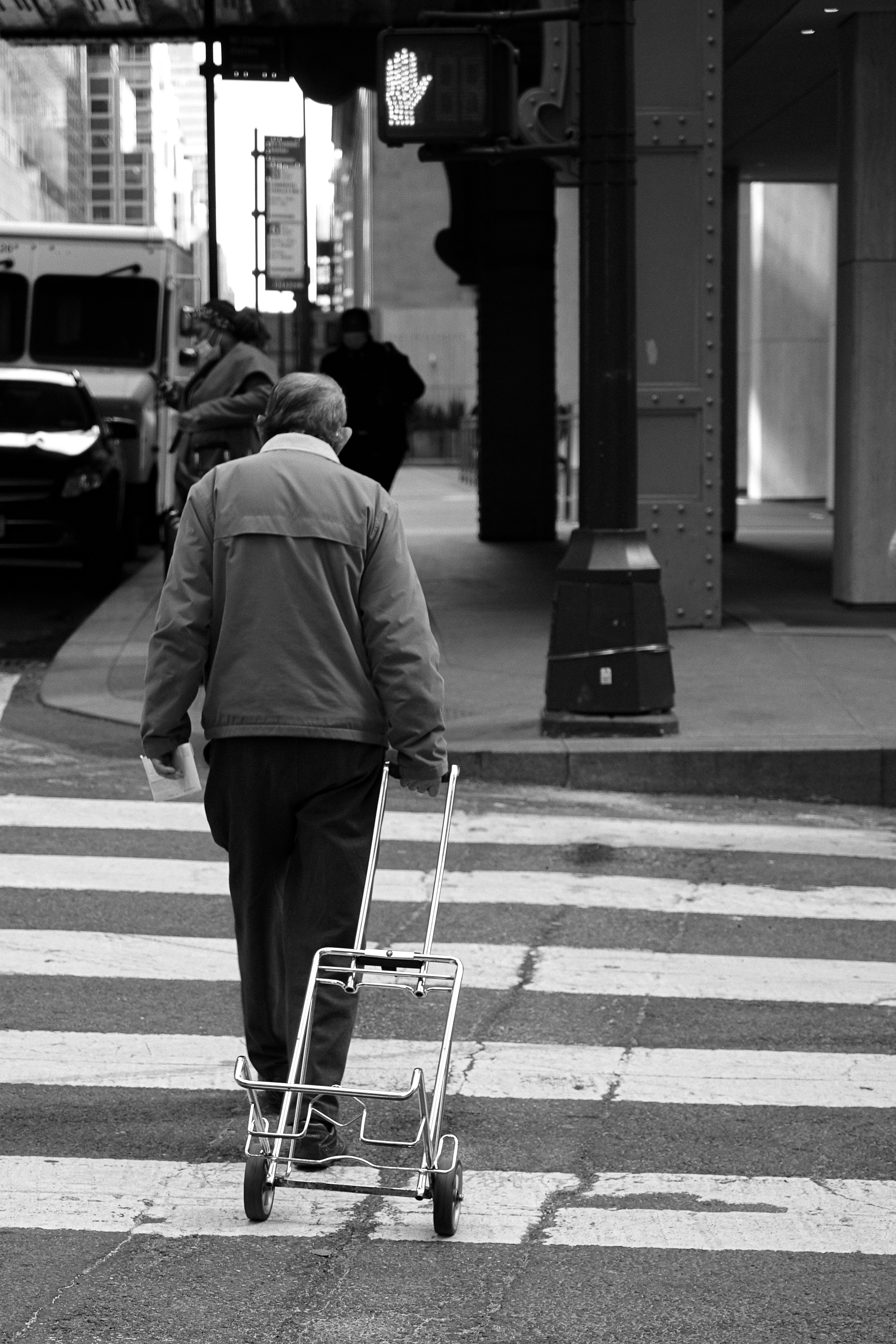
Falls are the leading cause of fatal injury for seniors, with one in four Americans age 65 and older experiencing a fall each year. AI-powered fall detection technology now offers a solution that goes beyond traditional emergency alerts – it can identify falls in real-time, reduce false alarms, and get help to your parent within minutes, often preventing serious injury before it happens.
Who it's for: Adult children and caregivers managing elderly parent safety, particularly those 65+ living independently or in assisted care facilities.
Key trade-offs: While AI detection requires initial setup and sometimes wearable technology or home sensors, the accuracy and peace of mind trade off against the time spent on constant check-in calls. Most modern systems require minimal daily management from users.
What the data shows:
One facility reduced emergency room visits by 41% using AI fall detection (Belmont Village pilot, 2019)
AI-powered detection achieves up to 98% sensitivity and 99% specificity in identifying actual falls
Average response time to detected falls: 3 minutes, with 85% of detected falls resulting in no injury
The Fall Crisis in Senior Care: Why Detection Matters
Falls represent a critical public health issue. Every year in the United States, 29 million falls occur among seniors, resulting in 3 million emergency room visits, 800,000 hospitalizations, and 28,000 deaths. Beyond the immediate injury, a single fall can trigger a cascade of health complications – loss of confidence, reduced mobility, hospitalization-related infections, and accelerated cognitive decline.
The problem is compounded by underreporting. An estimated 50% of seniors fail to report minor falls, meaning many injuries go unaddressed until they become serious. For adult children living in different cities, this hidden danger creates constant worry and guilt.

Falls are particularly dangerous for seniors with dementia or mobility issues, who face roughly twice the fall risk of cognitively intact peers. Yet traditional solutions – alert buttons that require manual activation, check-in calls that feel intrusive, or rigid home monitoring systems – often don't work because they rely on the senior to act in an emergency or accept constant surveillance.
This is where AI-powered fall detection changes the game. Rather than asking seniors to report falls (which they often don't) or monitoring their every movement (which violates independence), AI systems work passively in the background, learning individual patterns and only alerting when something unusual happens.
How AI Fall Detection Technology Works
Modern AI fall detection uses multiple sensing approaches, often in combination:
Wearable-Based Detection
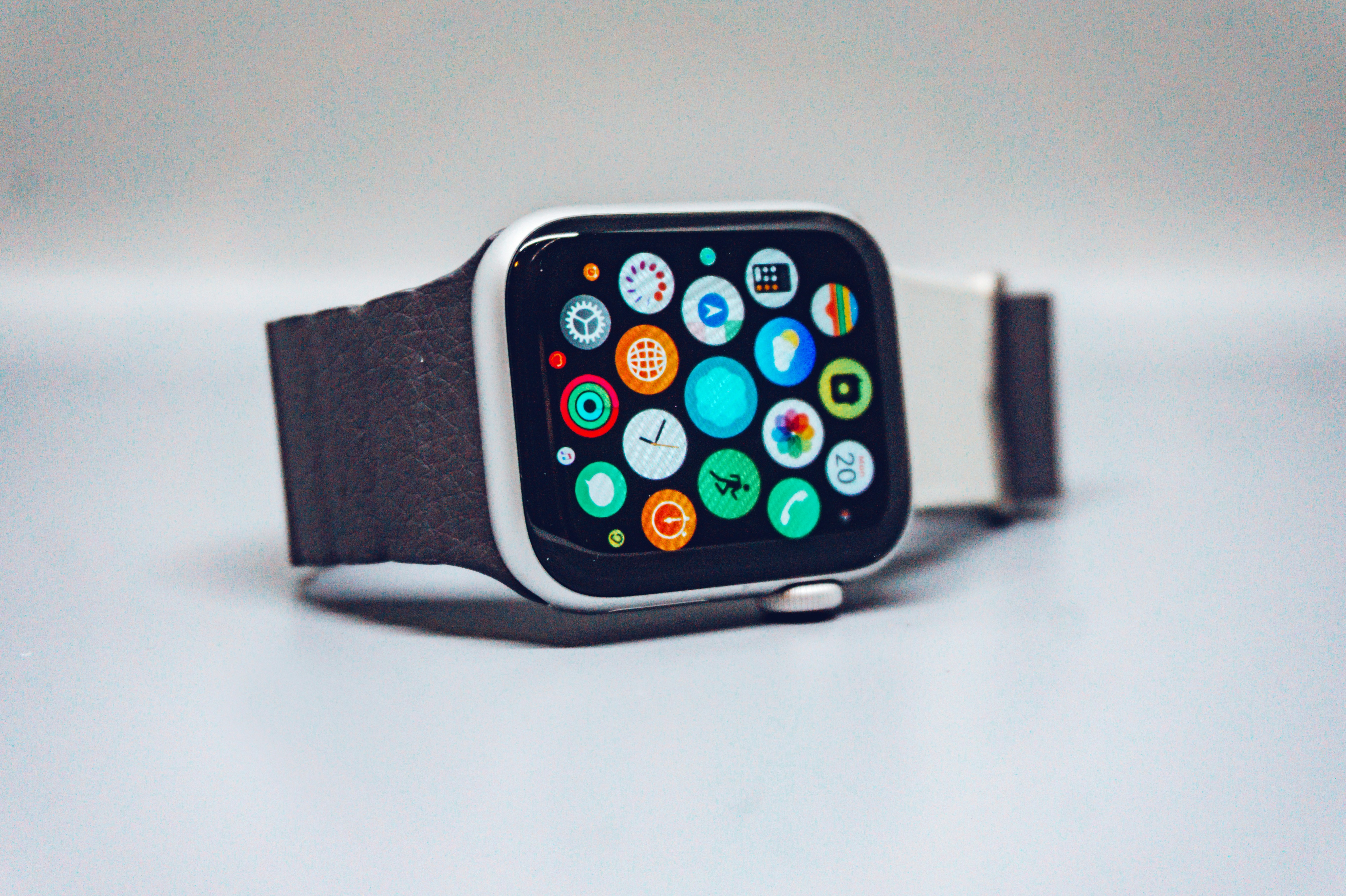
Smartglasses and wearable devices equipped with accelerometers, gyroscopes, and motion sensors track body position and movement in real-time. When a sudden change in acceleration and orientation occurs – the signature pattern of a fall – the AI identifies it within seconds. Unlike basic motion sensors that can't distinguish between intentional sitting down and an actual fall, AI-trained on thousands of real fall patterns can differentiate between the two, reducing false alarms by up to 62% compared to older systems.
Computer Vision and Camera-Based Systems
Facilities using camera-based monitoring employ sophisticated computer vision that tracks 30+ body markers simultaneously, identifying balance impairments, gait changes, and falls without requiring wearable devices. According to research from North Carolina universities, this approach can detect subtle shifts in balance that precede falls, offering early warning capability.
Predictive Analytics
The most advanced systems go beyond immediate fall detection to predict future fall risk. El Camino Hospital used predictive analytics to reduce hospital fall rates by 39% in six months by analyzing electronic health records, medication intake, vital signs, and real-time movement data. Systems can flag when medication changes, blood pressure patterns, or gait changes increase risk – sometimes a month before an incident occurs.
Integration with Health Data
The best AI systems connect fall detection with broader health monitoring. By tracking medication adherence, heart rate patterns, and activity levels alongside fall detection, these systems identify when health changes are creating increased fall risk, allowing intervention before a fall happens.
Why Traditional Fall Detection Falls Short
Before AI, fall detection relied on one of two approaches – both flawed:
Manual Alert Systems: Wearable buttons or pendants that require seniors to push after a fall. The problem? In many serious falls, seniors are unconscious, confused, or unable to reach the device. Research shows only a fraction of falls result in button activation.
Simple Motion Sensors: Basic accelerometers that trigger alerts on any sudden movement. This creates an overwhelming false alarm rate – seniors lowering themselves to pick something up, sitting down suddenly, or even exercising triggered constant alerts. Caregivers quickly learn to ignore alerts, defeating the system's purpose.
AI solves this by learning the difference between intentional movements and true falls, understanding context, and recognizing individual patterns of behavior. A senior who sits down quickly during exercise won't trigger a false alarm because the system understands the context of elevated activity and normal movement patterns.
Key Differentiators in AI Fall Detection Solutions
Feature | Traditional Pendant/Button | Basic Motion Sensor | AI-Powered Detection |
|---|---|---|---|
Automatic Detection | Manual activation required | Yes (high false alarm rate) | Yes (AI-filtered accuracy) |
Fall vs. Intentional Movement | N/A | No – triggers on any movement | Yes – distinguishes between falls and sitting down |
Accuracy (Sensitivity/Specificity) | Variable | 70-85% | Up to 98% / 99% |
Emergency Response Time | Depends on button press | Seconds (but many false alarms) | 3 minutes average to assistance |
Integration with Health Data | No | No | Yes – tracks vitals, medication, activity |
Learning Individual Patterns | No | No | Yes – adapts to each person |
Privacy Control | N/A | Limited | Recording light, consent-first design |
Real-world results validate AI's advantage. At Belmont Village, a facility implementing AI fall detection saw 41% fewer emergency room visits, 85% of detected falls resulted in no injury, and only 10% required ER visits – compared to previous rates where falls frequently escalated to hospital admissions.
ELDR: AI Fall Detection Built for Senior Independence
ELDR represents a new category of AI fall detection specifically designed for seniors who want to maintain independence. Rather than surveillance or constant monitoring, ELDR works passively in the background:
How ELDR Detects Falls Differently
ELDR's AI uses proprietary distress pattern recognition and gait analysis, trained on thousands of real fall events. The system distinguishes between a true fall and intentional sitting down, dramatically reducing false alarms. When a fall is detected, the system simultaneously:
Alerts family members immediately through their phones
Contacts emergency services automatically (911 in the US)
Provides the senior's location to responders
All within seconds – before the senior even realizes help is coming
Why Seniors Actually Wear It
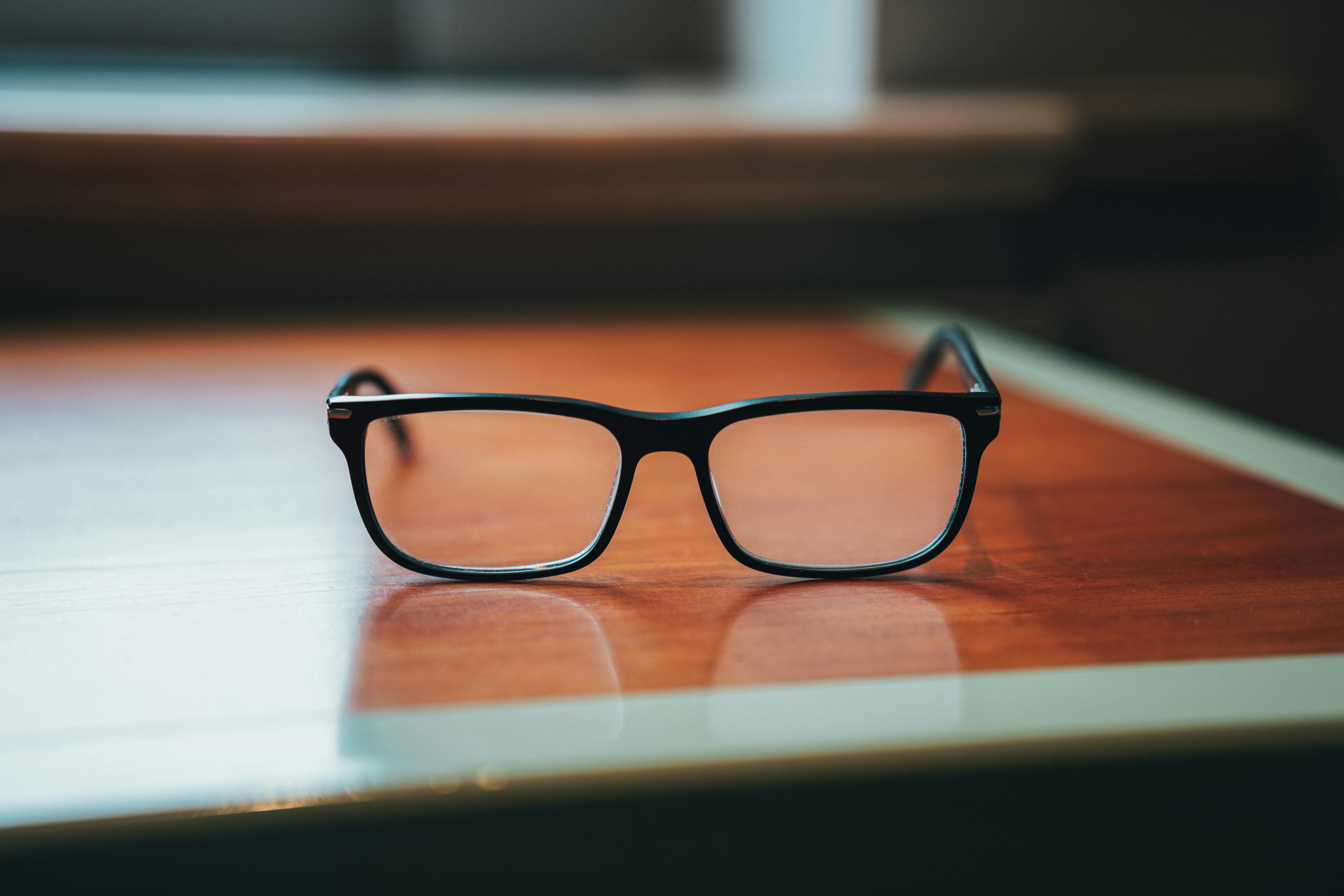
ELDR integrates fall detection into prescription eyewear, not a separate device. Your parent wears it because they need it to see – not because it's another wearable to remember. The prescription lens integration means zero learning curve and no adoption friction.
Broader Health Insights Beyond Falls
ELDR's AI simultaneously tracks:
Blood pressure patterns: Identifies trends that your parent's doctor should know about
Heart rate tracking: Flags unusual rhythms that may warrant medical attention
Medication adherence: Reminds your parent to take prescriptions and tracks compliance
Activity levels: Monitors daily movement and detects decline in mobility
Loneliness detection: Identifies social isolation before depression sets in
All of this happens passively through the glasses your parent wears anyway – no app management, no daily charging hassle, no passwords to forget.
Design Built for Real Life
ELDR glasses feature:
Week-long battery life (reliable, no daily charging burden)
Water-resistant frames (works during showers, light rain, washing dishes)
Voice-first interface (no screens to squint at, just talk to your glasses)
13MP camera (captures memories during daily activities, not just surveillance footage)
Privacy controls (recording light indicator, one-button off switch, consent-first design)
Family Features That Balance Safety and Independence
Adult children receive instant alerts when falls are detected, but between incidents, family activity patterns are shared – not constant surveillance. Your parent doesn't feel watched; you get peace of mind. When something unusual happens (a fall, missed medication, significant activity decline), you know immediately.
Implementing AI Fall Detection: What to Know
Common Concerns Addressed
Privacy: Quality AI fall detection systems include consent-first design. ELDR includes a recording light so your parent knows when the camera is active, and a physical off-switch for complete privacy control. The glasses work in "passive monitoring" mode for health and fall detection without recording video.
Learning Curve: The best systems require zero learning. Your parent doesn't need to unlock passwords, download apps, or manage charging. If they wear glasses anyway, AI-integrated eyewear feels natural immediately.
Accuracy and False Alarms: AI systems trained on real fall data (not just simulated falls) achieve 98%+ sensitivity. The key differentiator is specificity – can the system distinguish a real fall from sitting down? ELDR's distress pattern recognition reduces false alarms by understanding the difference between intentional and unintentional falls.
Cost vs. Benefit: A single hospitalization from an untreated fall costs $35,000+. Emergency room visits average $10,000. AI fall detection costs a fraction of this and prevents the injury entirely. For adult children managing multiple parents, the peace of mind of knowing help arrives within minutes is invaluable.
Coverage and Compatibility: Ensure any system you choose works in your parent's environment – at home, during walks, in the car, etc. Wearable-based AI systems (like ELDR) offer constant coverage without needing home infrastructure. Camera or sensor-based systems require installation and work primarily in fixed locations like assisted living facilities.
Real Results: What AI Fall Detection Actually Achieves
Data from actual deployments tells the story:
41% reduction in ER visits (Belmont Village pilot): Facilities using AI detection saw dramatic drops in emergency room admissions for falls.
3-minute average response time: When falls are detected automatically, help arrives fast – before panic or injury complications set in.
85% of falls resulted in no injury: Quick detection and response prevented serious outcomes in most cases.
39% reduction in hospital fall rates: Predictive analytics identifying high-risk seniors allowed preventive interventions before falls occurred.
These aren't theoretical numbers – they come from senior living facilities and hospitals implementing AI fall detection at scale. The technology works, and the results speak for themselves.
Next Steps: Choosing and Implementing Fall Detection
If you're managing an elderly parent's safety, AI fall detection should be part of the conversation. Start by considering:
1. Your Parent's Lifestyle: Do they live independently? In assisted care? Travel? Wearable AI systems work everywhere; home camera systems work only at home.
2. Privacy Preferences: Does your parent want continuous video recording or passive health monitoring? Ensure the system aligns with their comfort level.
3. Integration with Other Health Needs: Beyond falls, what else should be monitored? Medication adherence? Vital signs? Choose a system that addresses multiple health concerns.
4. Family Needs: Do you need instant alerts? Activity pattern summaries? Real-time GPS? Pick a system with the right balance of information without overwhelming surveillance.
The goal isn't to eliminate independence – it's to preserve it. AI fall detection lets your parents live the life they want while you know they're safe. Contact ELDR to learn how AI-powered smart glasses can provide comprehensive fall detection plus broader health insights, all integrated into eyewear your parent wears anyway.
The Bottom Line
Falls don't have to mean the end of independence. AI detection technology now provides immediate response, accurate identification, and peace of mind – without surveillance or intrusion. For adult children wanting to keep parents safe while respecting their autonomy, AI-powered fall detection is no longer optional; it's the standard of care.
The question isn't whether your parent needs fall detection – statistically, one in four will experience a fall this year. The question is whether they'll report it in time to get help. With AI, you don't have to hope. You'll know.
Our latest articles
Stay connected with those who matter most—where cutting-edge AI meets everyday care.