Smartglasses with Fall Risk Tracking for Older Adults: A Complete Guide
Discover smartglasses with fall risk tracking for older adults. Compare AI-powered fall detection, passive monitoring, and emergency response features. Learn how ELDR keeps seniors safe without surveillance.
Nov 23, 2025
Smartglasses with fall risk tracking represent a breakthrough for older adults who want independence without sacrificing safety. Unlike traditional medical alert devices that require daily charging or button presses, smartglasses integrate fall detection seamlessly into eyewear they already wear, offering passive monitoring that works in the background.
Best choice for: Older adults living independently who want real-time fall detection and continuous health insights without learning new technology or managing multiple apps and devices.
Key trade-offs: Smartglasses cost more upfront than basic alert systems but eliminate the need for separate devices. They require prescription lens integration for comfortable daily wear. Battery lasts 5-7 days (not all day like smartwatches), but this reflects realistic senior behavior patterns since many remove glasses at night.
Why this matters in numbers:
Falls cause an estimated 646,000 deaths annually worldwide, with one in four Americans age 65+ experiencing a fall each year
Fall detection devices with wearable sensor technology achieve 81.6% accuracy in identifying faller risk patterns
Smartglasses show higher acceptance rates among older adults than pendant-style medical alert devices because they're worn as part of normal daily routine
Why Smartglasses Change the Fall Detection Conversation
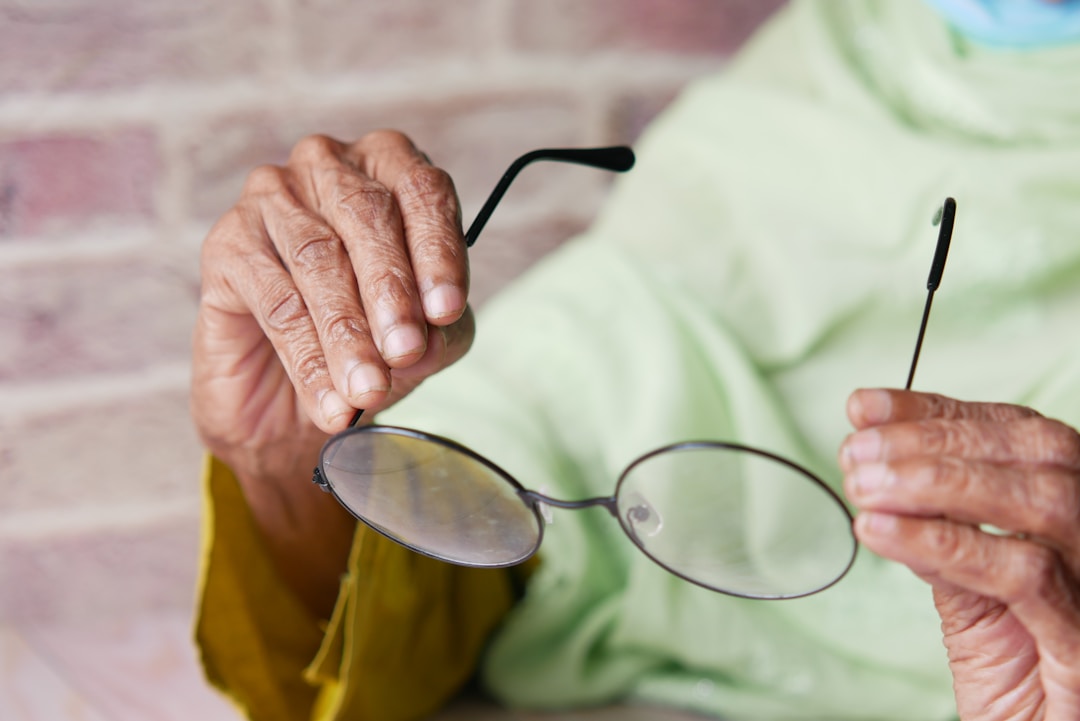
Traditional fall detection systems rely on either dedicated wearables (watches, pendants) or smartphone apps—both requiring older adults to remember to wear them or carry their phones consistently. According to research published in PMC's examination of smart eyeglasses acceptance, older adults show significantly higher acceptance rates for eyeglass-based monitoring because it integrates into their existing daily behavior.
The problem with pendant-style medical alerts: they're often forgotten, perceived as stigmatizing, or removed during bathing or sleeping—exactly when many falls occur. Smartwatch solutions require daily charging and app management that frustrates users with limited technical comfort. Smartphone-based apps depend on the device being nearby and unlocked.
Smartglasses solve this by being worn naturally throughout the day, integrating fall detection into the lens of the device seniors already depend on to see clearly. The glasses become transparent infrastructure rather than a visible "alert device."
How Fall Risk Tracking Works in Smartglasses
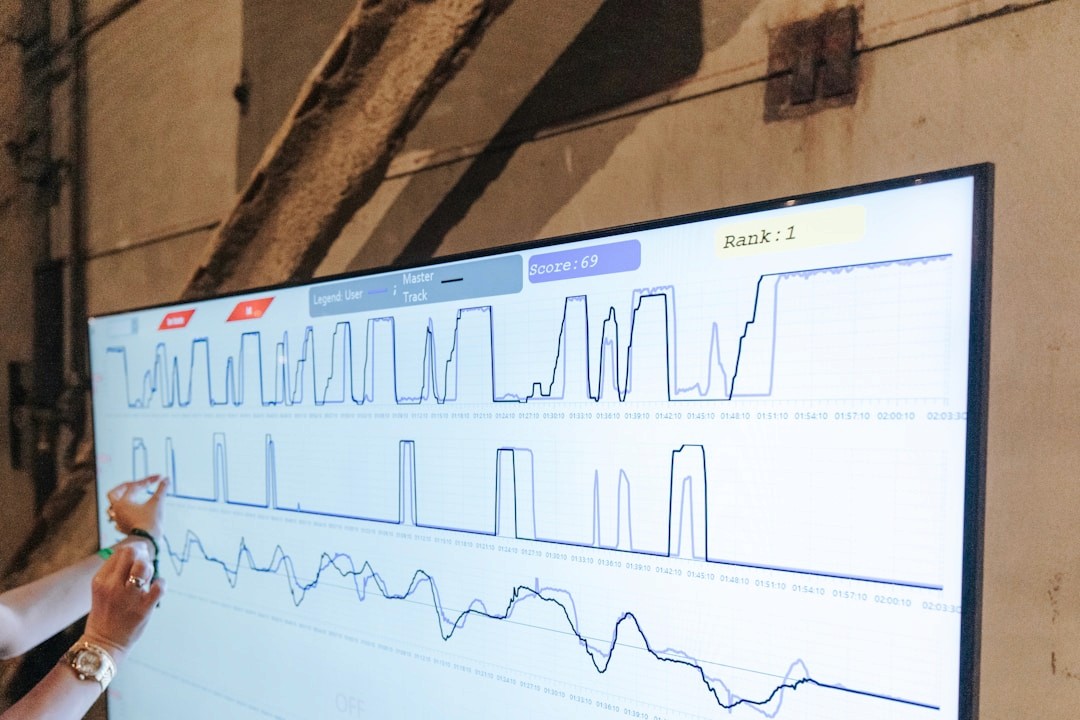
Modern smartglasses use embedded inertial measurement units—combining 3D accelerometers, gyroscopes, and barometers—to constantly monitor movement patterns. The AI doesn't just detect a fall; it understands the context.
Advanced smartglasses distinguish between a genuine fall and normal activities like intentionally sitting down or bending over. This prevents the false alarm problem that plagues simpler accelerometer-based systems. When a real fall is detected, the device immediately alerts both family members and emergency services (if enabled), typically within 30–60 seconds.
Beyond fall detection, smartglasses can also track fall risk indicators:
Gait analysis: Detects changes in walking patterns that signal increasing fall risk
Balance degradation: Monitors sit-to-stand stability and postural shifts
Activity levels: Tracks movement and stillness patterns that indicate health changes
Unusual patterns: Flags when daily routines shift unexpectedly (early indicator of health issues)
This passive approach means seniors don't need to "do" anything to get health insights. The glasses simply observe natural behavior and alert caregivers to changes worth investigating before they become emergencies.
Comparing Fall Detection Options for Older Adults
Device Type | Ease of Use | Fall Detection Accuracy | Battery Life | Daily Adoption | Cost Range |
|---|---|---|---|---|---|
Smartglasses (ELDR) | Highest – worn like normal glasses | 81.6%+ with AI context | 5–7 days | Highest – natural daily wear | Device + $25–50/month monitoring |
Medical Alert Watch | High – wearable like watch | 70–85% depending on model | 1–2 days | High – but daily charging required | $25–48/month + equipment fees |
Pendant Device | Medium – worn around neck | 60–75% (depends on proper wearing) | 5–10 days | Medium – often removed during bathing | $20–35/month |
Smartphone App | Low – requires technical comfort | 60–70% (context-dependent) | Must charge daily | Low – frequent abandonment | $5–15/month |
The key differentiator for smartglasses: they align with how seniors actually live. Older adults who wear glasses naturally put them on each morning without thinking about it, don't need to remember to charge them as often as watches, and don't perceive them as medical devices—just eyeglasses that happen to be intelligent.
ELDR: Smartglasses Specifically Designed for Aging Independence
ELDR is built specifically for older adults, not as an afterthought feature on devices designed for the general population. Here's what sets ELDR apart:
Fall Detection That Understands Context
ELDR's AI recognizes the difference between a fall and normal sitting down through "distress pattern recognition." This reduces false alarms—a critical problem with simpler systems that have older adults avoiding wear. When a real fall occurs, family members receive an instant alert, automatic emergency contact is initiated if enabled, and help arrives before panic sets in.
Prescription Lens Integration
Unlike smartglasses retrofitted with health features, ELDR integrates prescription lenses directly into the frame. Older adults wear them because they can see through them—fall detection is passive infrastructure, not a reason to remember to wear technology. This is the core reason for higher acceptance: seniors aren't adopting a "medical device," they're just getting their eyeglasses.
Passive Health Monitoring Without Device Burden
ELDR tracks blood pressure trends, heart rate patterns, daily movement, and medication timing—all without requiring seniors to check apps, sync devices, or manage multiple gadgets. The glasses passively observe health patterns and surface insights to family members and healthcare providers, enabling early intervention before issues become acute.
Battery That Doesn't Dominate Daily Life
With a week-long battery life, ELDR doesn't require daily charging rituals that quickly become abandoned. Most older adults can charge weekly (or when they remember), eliminating the daily device management that causes many seniors to stop wearing smartwatches.
Voice-First Interface With Zero Learning Curve
ELDR uses voice activation instead of screens, passwords, or app ecosystems. Older adults simply speak naturally to the glasses, eliminating the cognitive load of learning new technology. There are no apps to download, no accounts to manage, no settings to adjust—just glasses that respond to voice and alert family members when needed.
Privacy and Dignity
Unlike smartphone apps that require constant location sharing or wearables that encourage frequent check-ins, ELDR provides peace of mind for families without surveillance. Activity patterns are shared with family members, not constant real-time location. A physical recording light and easy off switch put seniors in control of their privacy.
Family Features Built for Trust, Not Hovering
Automatic alerts on actual emergencies (falls detected, unusual patterns) prevent the need for constant check-in calls. Family members know their parents are safe without micromanaging their day. This balance between safety and independence is why ELDR's design respects aging with dignity.
Health Metrics Beyond Fall Detection
Modern smartglasses do more than detect falls—they provide continuous health insights that support proactive care.
Blood Pressure and Heart Rate Trends
ELDR monitors vital sign patterns passively, flagging hypertension or arrhythmia trends before they become clinical concerns. Older adults can share reports with healthcare providers between appointments, catching emerging issues early.
Medication Adherence Insights
Instead of relying on seniors to remember medication timing, ELDR provides passive insights into medication patterns. The system can flag when doses are typically missed and surface this to caregivers, enabling proactive conversation rather than assumptions.
Activity and Gait Analysis
Declining activity levels and changing gait patterns are early warning signs of health deterioration. ELDR tracks these continuously, alerting family members when patterns shift significantly—a sign to check in about how they're actually feeling.
Loneliness Detection
Social isolation is a major health risk for older adults, yet traditional monitoring ignores it. ELDR's distress pattern recognition can detect when activity patterns suggest isolation or depression, prompting family members to check in before isolation becomes a health crisis.
Addressing Common Concerns About Smartglasses for Fall Detection
Won't my parents feel like they're being surveilled?
Unlike smartwatches that track constant location or smartphones that enable real-time monitoring, smartglasses with passive monitoring only alert caregivers to significant events (falls, unusual patterns, medication issues). Daily activity summaries are shared, not minute-by-minute tracking. This gives you peace of mind without the hovering that damages independence.
What if they forget to wear the glasses?
Smartglasses have higher daily adoption than pendant devices or smartwatches specifically because they're worn as part of the routine—like putting on eyeglasses normally. Research confirms that older adults naturally wear eyeglasses throughout the day in ways they don't consistently adopt other devices. However, caregivers can still see activity patterns and are alerted to major changes, providing a safety net.
Is the technology reliable?
According to systematic reviews published in PMC, wearable sensor-based fall detection achieves 81.6% accuracy in identifying fall risk patterns and detecting actual falls. While not 100%, this is substantially better than devices relying on manual button presses (which many seniors never use in emergencies anyway).
What if they have vision changes or need different prescriptions?
Smartglasses with prescription lens integration allow prescription updates just like regular eyeglasses. ELDR can be updated to match current prescriptions, ensuring older adults can see clearly—the primary reason they'll wear the device.
How much does this cost compared to other fall detection systems?
Initial investment in smartglasses is higher than basic medical alert devices. However, when you calculate the cost of continuous health monitoring, reduced emergency calls, early health issue detection, and peace of mind for families, smartglasses often deliver better long-term value. They eliminate costs associated with false alarms, unnecessary hospital visits, and caregiver stress.
Comparing Other Fall Detection Solutions
The market offers several approaches to fall detection for older adults. Here's how smartglasses compare to established alternatives:
Medical Alert Watch Systems
Products like Medical Guardian and Bay Alarm Medical offer proven fall detection starting at $24.95–$36.95/month plus fall detection add-ons ($5–$11/month). These devices deliver reliable professional monitoring and emergency response. However, they require daily charging, aren't integrated with vision correction, and must be remembered as separate devices. Many older adults stop wearing smartwatches after initial enthusiasm fades due to charging burden.
Pendant-Style Devices
Classic medical alert pendants are affordable ($20–$35/month) and have longest battery life (5–10 days). The tradeoff: many older adults find them stigmatizing, remove them during bathing (when many falls occur), and fail to wear them consistently. Studies show significantly lower adoption rates than eyeglass-based solutions.
Smartphone-Based Solutions
Apps that use smartphone accelerometers and GPS are inexpensive ($5–$15/month) but unreliable because phones are often in pockets or other rooms during falls. These require constant technical engagement from users whose comfort with apps is often limited. Most older adults abandon these systems within months.
The smartglasses advantage: They solve the adoption problem that plagues other devices by making fall detection invisible and integrated into daily life.
Implementation: Getting Started With Smartglasses for Fall Detection
Transitioning an older adult to smartglasses with fall detection requires thoughtful implementation:
Step 1: Assess Current Eyeglass Use
Smartglasses work best for older adults who already wear glasses daily. If your parent doesn't wear glasses or only wears them for reading, smartglasses may not be the right fit. In those cases, medical alert watches are a better option.
Step 2: Involve Them in the Decision
Frame smartglasses as a vision solution that happens to provide safety, not as a tracking device. Older adults are far more likely to adopt technology when they understand the benefit to their independence, not their children's peace of mind. "These glasses let you see clearly and tell us if you fall" is more compelling than "we'll be watching you."
Step 3: Simplify Setup and Ongoing Management
Choose systems with minimal app involvement, voice-first interfaces, and no daily decision-making required. The less burden on your parent to "manage" the technology, the higher the adoption and compliance rates.
Step 4: Start With Fall Detection, Expand to Health Monitoring
Introduce fall detection first—it's concrete and compelling. Once they're comfortable, introduce passive health monitoring (activity tracking, vital sign trends). This prevents overwhelming them with too many features at once.
Step 5: Establish Family Communication Norms
Be clear about what triggers alerts and what doesn't. Unusual patterns might signal something worth checking in about—not a reason to panic. This prevents alert fatigue and builds trust.
Key Takeaway: Smartglasses Represent the Future of Senior Safety
Smartglasses with fall risk tracking address the fundamental adoption problem that plagues other fall detection devices: they align with how older adults actually live. By integrating fall detection into eyewear people already wear, smartglasses achieve higher daily adoption and provide more comprehensive health insights than any single-purpose device.
The passive monitoring approach—where technology works in the background without requiring seniors to "do" anything—represents a shift toward respectful, dignity-preserving aging. Older adults maintain their independence while families gain genuine peace of mind.
If you're exploring smartglasses with fall detection and health monitoring for an aging parent, consider solutions specifically designed for older adults' needs, not retrofitted from consumer devices. Features like prescription lens integration, context-aware AI, voice-first interfaces, and family communication tools make the difference between a device that gets adopted and one that sits on a shelf.
Learn more about how ELDR smartglasses can support your parent's independence with continuous fall detection and health monitoring. Whether you're exploring this technology for the first time or comparing options, understanding how smartglasses differ from medical alert watches and pendants helps you make the right choice for your family's situation.
Our latest articles
Stay connected with those who matter most—where cutting-edge AI meets everyday care.