Prescription AI Glasses for Health Monitoring: How Smart Eyewear Enables Independent Aging
Prescription AI glasses combine vision correction with passive health monitoring for seniors. Discover how continuous tracking reduces medical emergencies, medication errors, and caregiver burden – with zero daily management required.
Nov 23, 2025
ELDR prescription AI glasses integrate your prescription correction with passive health monitoring – tracking blood pressure trends, heart rate patterns, medication timing, and gait changes without daily apps or charging routines. Unlike smartwatches that require daily interaction, prescription glasses work exactly like regular eyewear while their AI quietly monitors for falls, health anomalies, and medication compliance in the background. Seniors maintain full independence and dignity while families get early alerts before emergencies happen.
Who it's for: Adult children managing elderly parents who want early warning signs of health decline (falls, medication errors, social isolation) without constant surveillance or check-in calls. Also ideal for seniors who already wear glasses and want seamless health monitoring without additional devices or mental load.
Key trade-offs: Prescription AI glasses represent a newer category than established smartwatches or medical alert devices, so fewer mainstream options currently exist. However, they offer superior advantages over alternatives: zero learning curve (just regular glasses), week-long battery vs. daily charging, prescription lens integration (worn anyway), and context-aware AI that reduces false alarms.
Elderly fall statistics: One in four Americans aged 65+ experiences a fall annually; falls are the leading cause of both nonfatal trauma and injury deaths in seniors (CDC)
Medication adherence gap: 50% of seniors don't take medications as prescribed, contributing to an estimated 125,000 deaths per year and costing the U.S. healthcare system $100-290 billion in preventable costs (National Institutes of Health)
Caregiver burden: 42 million family caregivers report high emotional stress; passive health monitoring reduces daily check-in calls and anxiety about "what if they fell and I didn't know?"
Why Prescription AI Glasses Are Different from Other Wearables
The wearable health monitoring landscape has exploded with options – smartwatches track heart rate, fitness bands monitor sleep, medical alert devices offer emergency response. But most require daily engagement: charging, app interactions, screen navigation. For seniors already managing multiple medications and doctor appointments, another device to maintain becomes just another burden.
Prescription AI glasses solve this friction point. They leverage technology seniors already use daily – their eyeglasses – and layer intelligent health monitoring underneath. The result is passive, continuous tracking that doesn't require conscious effort.

Prescription Integration Changes Everything
A smartwatch works for anyone with a wrist. A prescription AI glass works specifically for seniors who already wear glasses – which is the vast majority of adults 65+. Instead of adding a new device, they're replacing their existing eyewear with smarter frames that include their actual prescription correction. This eliminates the common adoption barriers:
Zero learning curve: They know how to use glasses. No apps, no passwords, no touchscreen to squint at
Worn reliably: Unlike smartwatches that get left at home or forgotten, glasses go everywhere – to bed, to the shower, to family dinner
Battery reliability: Week-long battery means charging once a week instead of nightly – realistic for aging adults
Voice-first interface: Control via natural conversation instead of buttons or screens
Passive Monitoring Beats Active Tracking
Most wearables require seniors to actively use them – input data, check notifications, interact with screens. Passive monitoring works differently. The glasses observe patterns continuously: gait changes that precede falls, medication timing consistency, heart rate trends during specific activities, movement patterns that indicate isolation or depression.
According to research published in Nature's npj Digital Medicine, AI-powered smart glasses are emerging as promising advancements in digital health management for real-time monitoring and chronic disease management, with capability for "proactive healthcare solutions" that traditional devices cannot match.
This passive approach creates several advantages:
Earlier problem detection: AI spots unusual gait patterns before a fall occurs, or medication timing changes before missing doses become a pattern
Context awareness: The glasses "understand" that someone sitting down is normal, but unusual stillness on the floor is a fall requiring help
Reduced false alarms: Unlike fall detection watches that trigger from dropping a remote, AI pattern recognition reduces noise and caregiver alert fatigue
No compliance burden: Tracking works whether the senior remembers to use it or not – it's always on, always monitoring
Health Monitoring Capabilities: What Prescription AI Glasses Track
Prescription AI glasses designed for senior health monitoring combine multiple data streams to provide comprehensive health insights between doctor appointments.
Fall Detection with Distress Pattern Recognition
Fall detection is the flagship capability, but prescription AI glasses distinguish themselves through context-aware AI. A smartwatch accelerometer can detect rapid downward motion – but so does dropping something, sitting down quickly, or bending over. This creates false alarms that frustrate seniors and overwhelm caregivers.
Prescription AI glasses use visual + motion + stillness patterns to confirm actual falls. The AI recognizes:
Unusual body position (horizontal when vertical is expected)
Extended stillness in that position (indicating inability to get up)
Signs of distress (facial expressions, immobility over time)
When confirmed, the system triggers automatic emergency contact (family members first, then 911 if needed) before the senior even has to ask for help. Leading medical alert platforms report 98% accuracy in fall detection when combined with proper AI analytics.
Blood Pressure and Heart Rate Monitoring
Unlike smartwatches that take point-in-time readings, prescription glasses can incorporate sensors that track trends over time. For seniors with hypertension or arrhythmias, trend data is often more valuable than single readings:
Blood pressure trends: Morning vs. evening patterns, medication effectiveness over weeks, lifestyle impact
Heart rate variability: Indicates cardiovascular stress and recovery capacity; changes signal potential health decline
Irregular rhythm alerts: AI flags atrial fibrillation or other arrhythmias before they become emergencies
Activity-correlated vitals: Understanding how the heart responds to physical activity helps clinicians assess cardiac health more accurately
These insights can be shared with healthcare providers at appointments, enabling earlier intervention and better medication management.
Medication Adherence Tracking
The 13MP camera in prescription AI glasses serves dual purposes: capturing memories and confirming medication management. The AI can:
Read medication labels when the senior opens their medicine cabinet
Provide voice reminders at scheduled times with context ("Take your blood pressure medication with breakfast")
Recognize when medications are taken (or not)
Alert caregivers or healthcare providers when adherence drops
This addresses a critical healthcare gap. Research from the National Institutes of Health shows that 50% of seniors don't take medications as prescribed, causing preventable complications and hospitalizations. Passive medication tracking (without requiring seniors to log anything) can meaningfully improve outcomes.
Activity and Movement Patterns
Gait analysis is emerging as a powerful predictor of health decline. Changes in walking speed, stride length, or balance can indicate:
Increased fall risk before it manifests as an actual fall
Neurological changes (Parkinson's, cognitive decline)
Cardiac decompensation (heart failure often shows as gait changes before chest pain)
Medication side effects
Prescription glasses with motion sensors can track these patterns passively, alerting healthcare providers to changes that warrant investigation.
Loneliness Detection and Social Isolation Monitoring
Social isolation is a significant risk factor for mortality in seniors – equivalent to smoking or obesity. Prescription AI glasses can monitor:
Social interaction frequency: Voice conversations, time spent with others
Activity patterns: Movement and location changes that indicate engagement or withdrawal
Communication patterns: Changes in outbound contact with family or friends
When isolation patterns emerge, families and caregivers can proactively reach out before depression or health decline sets in.
How Prescription AI Glasses Compare to Other Health Monitoring Options
Families shopping for elderly health monitoring solutions face multiple options, each with distinct advantages and limitations. Here's how prescription AI glasses stack up against established alternatives:
Feature | Prescription AI Glasses | Smartwatches (Apple Watch, Fitbit) | Medical Alert Devices | Fitness Trackers | Cardiac Monitors |
|---|---|---|---|---|---|
Daily Charging Required | Once per week | Daily (18-30 hrs) | Daily to weekly | Daily to 2x/week | Daily to 14 days |
Learning Curve | None – regular glasses | Moderate – apps, screens | Low – button-based | Low to moderate | None – passive |
Fall Detection | Yes, with AI context | Yes, high false alarm rate | Manual + optional automatic | No | No |
Medication Tracking | Automated with reminders | App-based manual logging | Optional (some devices) | No | Compliance indicator |
Worn Consistently | Yes – everyday eyewear | Often forgotten/left home | Yes – important to wear | Often forgotten | Yes – medical device |
Health Metrics | Blood pressure, HR, gait, activity, loneliness, medication | Heart rate, ECG, sleep, stress, activity | Location, emergency response | Steps, calories, sleep | ECG, arrhythmia detection |
Price Range | Premium (pre-launch) | $249–$800 | $20–40/month service | $100–$250 | $140–$350 (often insurance-covered) |
Passive Monitoring | Yes – always on | Partial – requires app checks | Partial – event-triggered | No – manual app review | Yes – always on |
Family Alert System | Instant to family + 911 | Manual sharing required | Professional monitoring included | Optional app sharing | Professional monitoring |
When Prescription AI Glasses Win
For seniors who already wear glasses, prescription AI glasses eliminate adoption friction. They're not adding a new device to manage – they're upgrading existing eyewear. For families seeking continuous, passive health monitoring without daily app engagement, they're the clear choice.
For medication management, prescription AI glasses excel. The combination of camera + AI can actually verify medication adherence, not just create reminders. Unlike smartwatch apps that rely on seniors manually logging their medication, the glasses "see" what's happening.
For fall detection with reduced false alarms, AI-powered visual analysis outperforms simple accelerometer-based systems. Watching for actual falls (unusual position + stillness + distress signals) eliminates the false alarms that make seniors resentful of devices designed to protect them.
When Other Devices Are Better
If cardiac monitoring is the sole priority, specialized devices like KardiaMobile 6L (6-lead ECG) or Withings ScanWatch 2 (30-day battery, medical-grade ECG) provide more comprehensive cardiac data. These are insurance-covered for specific heart conditions.
If the senior doesn't wear glasses, smartwatches or medical alert watches are easier adoption. Prescription AI glasses assume regular eyewear use.
If professional monitoring and emergency response are paramount, traditional medical alert services (Button, Life Alert, Medical Guardian) have established infrastructure and 24/7 human monitoring centers. They're the most reliable for guaranteed emergency response, though they don't provide health insights.
ELDR: Prescription AI Glasses Purpose-Built for Senior Health
ELDR represents a new category: prescription AI glasses specifically designed for aging adults' real health and safety needs, not generic consumer smart eyewear adapted for seniors.
Key Differentiators
Prescription Lens Integration: Unlike Ray-Ban Meta or other consumer smart glasses adapted with prescriptions, ELDR's entire platform was built around prescription lenses from the start. The optical quality meets glasses standards while the AI layer handles health monitoring – it's not an afterthought.
Week-Long Battery: Most wearables drain daily. ELDR's week-long battery acknowledges a key adoption barrier: seniors aren't going to remember daily charging. One charge per week is realistic for the aging population.
Fall Detection with Context Awareness: ELDR's AI distinguishes between a senior sitting down normally and a fall requiring help. This reduces the false alarm fatigue that frustrates seniors and causes them to stop wearing devices.
Medication Tracking Integrated with Prescriptions: The 13MP camera reads actual pill bottles; ELDR connects medication tracking to the senior's actual prescriptions on file. Reminders are context-specific ("Take with breakfast") and adherence is passively verified.
Blood Pressure, Heart Rate, and Activity Monitoring: Multiple health signals stream continuously, building trend data that healthcare providers can use at appointments. Passive insights without requiring seniors to act.
Loneliness Detection: ELDR flags social isolation patterns before they cascade into depression or health decline. Family members get proactive alerts ("Mom's had fewer conversations this week – consider a call").
Voice-First Interface: No screens, no buttons, no passwords. Commands and responses are spoken naturally. This design prioritizes accessibility for older adults with vision or dexterity challenges.
Family Features Without Surveillance: The core philosophy is independence with safety net, not surveillance. Families see activity patterns (not constant location), health alerts (not minute-by-minute tracking), and appointment reminders (not daily check-ins). The distinction between helpful and intrusive matters.
Privacy Controls by Default: Recording light, easy off switch, consent-first design. Seniors maintain control over what's recorded and shared.
Real-World Design: Water-resistant frames, durable construction, actual prescription correction – built for life, not just lab conditions.
The ELDR Process
Getting started with ELDR involves minimal friction:
Prescription consultation: Provide current prescription details or have a quick video consultation with ELDR's optometry team
Health baseline: Initial setup captures baseline health metrics and establishes normal patterns
Family setup: Add emergency contacts and caregivers; define alert preferences
Wear and live: Just wear the glasses normally. AI monitoring begins immediately
No daily app management, no complex setup, no learning curve – just superior health insights woven into everyday eyewear.
Addressing Common Concerns About Prescription AI Glasses for Health Monitoring
"Will my parent be comfortable with this level of monitoring?"
This concern mirrors worries about surveillance, but prescription AI glasses address it differently than medical alert watches or GPS trackers. The distinction is critical:
Location tracking: ELDR doesn't report "Mom is at the grocery store at 2:47 PM." It reports activity patterns over time – is she being active, or is movement decreasing?
Medication verification: Not "took pill at 8:03 AM Tuesday," but "adherence to blood pressure medication is consistent" vs. "adherence dropped this week."
Social interaction: Not a transcript of conversations, but "having regular conversations" vs. "isolated this week."
The design prioritizes dignity. These are pattern insights, not surveillance footage. And your parent controls the off switch – the recording light indicates when the camera is active, and they can disable it at will.
"What if they don't want to wear glasses?"
This is valid. If your parent doesn't wear regular eyeglasses, prescription AI glasses won't be the solution – they'd be better served by a smartwatch or medical alert device. Prescription AI glasses work for the ~65% of Americans 65+ who already wear glasses daily.
"Is this technology actually proven, or is it still experimental?"
Prescription AI glasses for health monitoring are emerging technology – more established than experimental, but newer than smartwatches. The underlying AI pattern recognition for falls, gait analysis, and medication tracking is grounded in published research. However, like all new health technologies, they work best as part of a comprehensive approach alongside regular doctor appointments, not as a replacement for medical care.
The advantage of emerging technology is that adoption now means being early to capture benefits – early fall detection, early medication insights, early isolation flagging – that can prevent emergencies before they happen.
"How much does this cost?"
ELDR is currently in pre-launch, with pricing to be announced. As a reference point, premium smartwatches (Apple Watch Series 10) cost $249–$800, while medical alert services run $20–40 per month. Expect prescription AI glasses to be positioned as a premium solution given the optical quality, AI sophistication, and continuous monitoring capabilities.
"What happens if the battery dies?"
With week-long battery, the risk is lower than daily-charge devices. But for critical moments (a fall happening when the glasses are dead), this is a real limitation. The recommendation: establish a charging routine (e.g., Sunday evening) and ensure family members know when the glasses are charging so they can check in if needed during that time window.
The Bigger Picture: Why Prescription AI Glasses Matter for Senior Independence
The philosophy underlying prescription AI glasses – passive health monitoring woven into everyday life – represents a shift in how we think about aging technology. Rather than asking seniors to adapt to devices, we're asking technology to adapt to how seniors actually live.
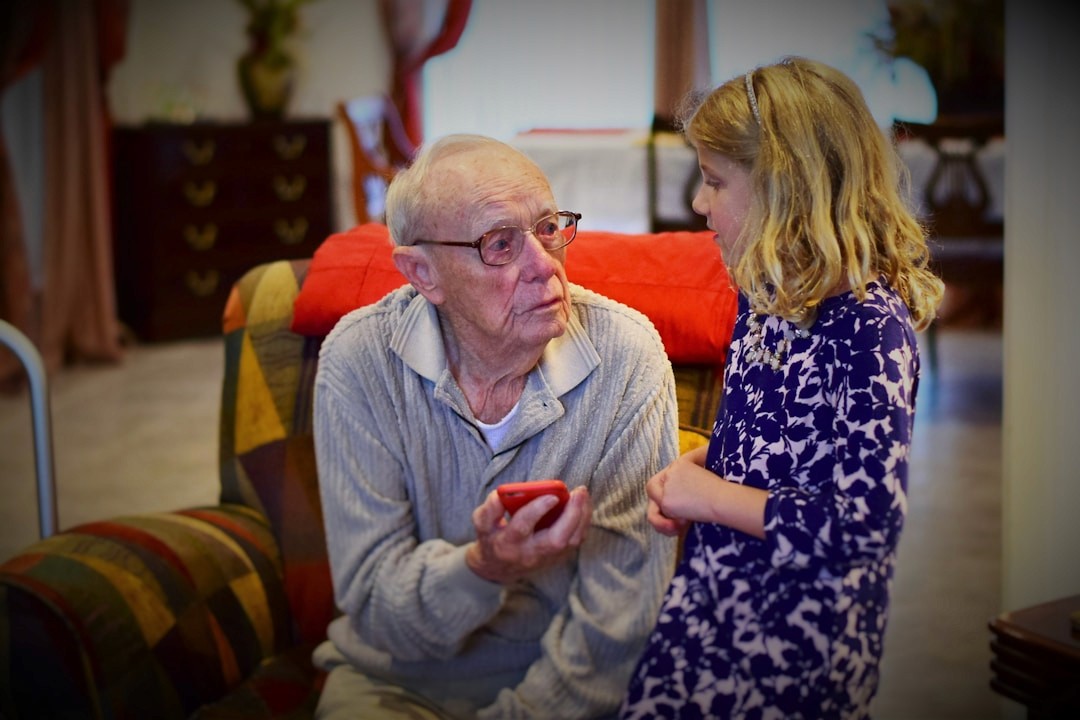
Seniors want independence, not surveillance. They want to age in place with dignity, not feel constantly monitored. They don't want another app to manage or a device to charge. Yet families – adult children managing aging parents – desperately need early warning signs of health decline or danger.
Prescription AI glasses bridge that gap. They enable the senior to live independently while giving the family peace of mind. Falls get detected before lasting injury. Medication adherence improves without daily reminders becoming nagging. Social isolation gets flagged before depression sets in. Health trends emerge between doctor appointments, enabling earlier intervention.
This isn't about removing agency from seniors – it's about giving them tools that protect without constraining, that inform families without invading privacy, that catch problems early before they become emergencies.
For families navigating the complex reality of aging parents and work and children of their own, prescription AI glasses offer something rare: technology that actually reduces burden instead of adding it.
Next Steps: How to Get Started with Prescription AI Glasses
If prescription AI glasses resonate with your situation – you have an aging parent who wears glasses, you're concerned about falls or medication management, you want continuous health insights without daily app management – here's how to explore further:
Assess Your Parent's Needs
Start with honest questions: What's the primary health concern? (Falls, medication adherence, social isolation, general health monitoring?) Does your parent wear glasses regularly? Would they embrace technology or resist it? What's your family's comfort with passive monitoring?
Compare Options
Use the comparison table above to evaluate prescription AI glasses against smartwatches, medical alert devices, or cardiac monitors. Consider multiple devices may be complementary – a smartwatch for activity tracking plus prescription AI glasses for fall detection and medication management.
Contact ELDR
For questions about how prescription AI glasses can support your aging parent's health and safety, contact ELDR here. Their team can discuss your parent's specific situation and explain how ELDR's approach to passive health monitoring, fall detection, medication tracking, and family alerts works for your family's needs.
Consider a Trial Period
Most wearable health technology improves with time as patterns stabilize and AI learns your parent's normal. If you move forward, give it at least 2-3 weeks before evaluating effectiveness. The value isn't in individual data points – it's in trend patterns that emerge over time.
Our latest articles
Stay connected with those who matter most—where cutting-edge AI meets everyday care.